Joint Mobilization for Pain-Free Movement: Mastering Joint Mobility Techniques

If you’ve ever felt stiffness or pain when moving, you know how frustrating it can be. Whether you’re running, lifting, hiking, or just trying to get through your workout, joint discomfort can hold you back. That’s where joint mobilization comes in. It’s a simple yet powerful way to improve your joint function, reduce pain, and help you move freely again.
In this post, I’ll walk you through what joint mobilization is, why it matters, and how you can use joint mobility techniques to feel better and perform at your best. Let’s dive in!
What Is Joint Mobilization and Why Does It Matter?
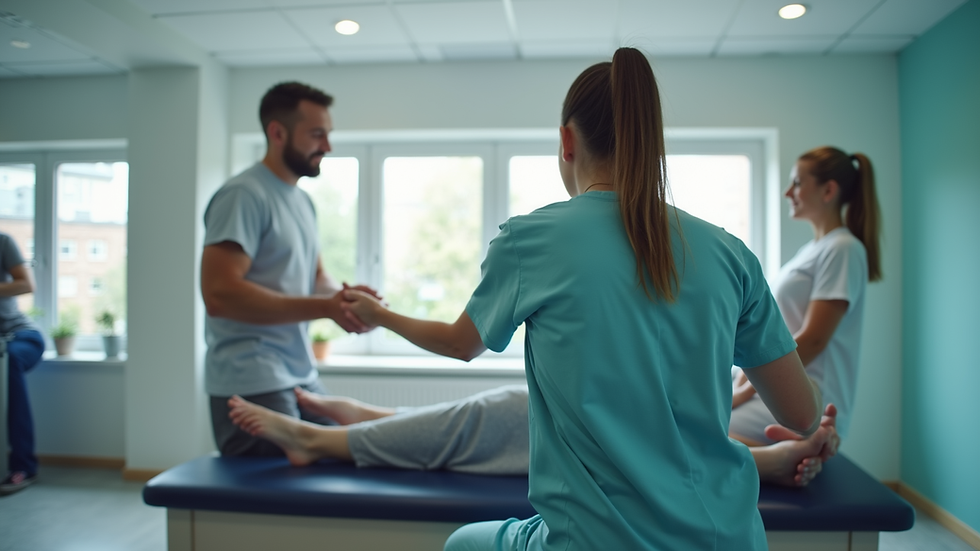
Joint mobilization is a hands-on therapy technique used to gently move joints through their natural range of motion. The goal is to restore normal movement, reduce stiffness, and ease pain. It’s often done by physical therapists, occupational therapists, or trained professionals who understand how joints work.
Why is this important? When joints get stiff or injured, they don’t move as smoothly. This can cause pain, limit your activity, and even lead to further injury. Joint mobilization helps by:
Loosening tight joint capsules and surrounding tissues
Improving joint lubrication
Enhancing blood flow to the area
Reducing muscle guarding and spasms
For anyone active, maintaining healthy joint mobility is key to staying pain-free and performing well. It’s not just about fixing problems but preventing them too.

Gentle joint mobilization can improve knee flexibility and reduce pain.
Exploring Different Joint Mobility Techniques
There are several joint mobility techniques that can help you move better. Some focus on passive movement, where a therapist moves your joint for you, while others involve active movement you do yourself. Here are a few common methods:
Oscillatory Mobilization
This involves small, rhythmic movements within the joint’s range. It helps reduce pain and stiffness by stimulating the joint receptors.
Sustained Stretching
A gentle, steady stretch held for several seconds to improve joint capsule flexibility.
Accessory Movements
These are subtle gliding or sliding motions that occur naturally in joints but can be restricted after injury.
Active Range of Motion Exercises
You move your joint through its full range without assistance, helping maintain or improve mobility.
Self-Mobilization Techniques
Using tools like foam rollers or bands to apply pressure and movement to joints at home.
Incorporating these techniques into your routine can make a big difference. For example, if you’re a runner dealing with ankle stiffness, gentle oscillatory mobilization can help restore smooth movement and reduce pain during your runs.

Self-mobilization tools like foam rollers can support joint health at home.
Can an Occupational Therapist Do Joint Mobilization?
You might wonder if occupational therapists (OTs) can perform joint mobilization. The answer is yes! OTs are trained to help improve your ability to perform daily activities, and joint mobilization is one of the tools they use.
Occupational therapists focus on restoring function and reducing pain in joints that affect your everyday tasks. For example, if you have wrist stiffness that makes typing or cooking difficult, an OT can use joint mobilization techniques to improve your wrist mobility.
They often combine joint mobilization with other therapies like strengthening exercises, ergonomic advice, and adaptive strategies to help you get back to your routine faster and with less discomfort.
If you’re looking for expert help, consider reaching out to a professional who offers joint mobilization beaver dam services. They can tailor treatments specifically to your needs and goals.
How to Safely Practice Joint Mobilization at Home
While professional guidance is best, there are safe ways to support your joint health at home. Here are some tips to get started:
Warm up first. Use light cardio or heat packs to increase blood flow before mobilizing joints.
Start gently. Use slow, controlled movements within a pain-free range. Avoid forcing any motion.
Use tools wisely. Foam rollers, massage balls, and resistance bands can help with self-mobilization.
Focus on consistency. Regular practice, even just a few minutes daily, can improve joint mobility over time.
Listen to your body. If you feel sharp pain or discomfort, stop and consult a professional.
For example, if your shoulders feel tight after lifting, try gentle circular movements or pendulum swings to encourage mobility. Over time, these small efforts add up to better joint health and less pain.
Why Joint Mobilization Is a Game-Changer for Active Adults
If you’re active, you know how important it is to keep your body moving well. Joint mobilization helps you:
Reduce pain and stiffness so you can train harder and recover faster.
Prevent injuries by maintaining healthy joint function.
Improve performance through better range of motion and flexibility.
Speed up recovery after workouts or injuries.
At MVP Rehab & Sports Performance, we focus on personalized care that goes beyond quick fixes. Our goal is to help you move without limits and thrive in your activities. Whether you’re a runner, lifter, or hiker, joint mobilization can be a key part of your journey to pain-free movement.
If you want to explore professional options, check out joint mobilization beaver dam for expert care tailored to your needs.
Taking care of your joints is an investment in your long-term health and performance. By understanding and using joint mobility techniques, you can keep moving freely and enjoy the activities you love without pain holding you back. Remember, small steps every day lead to big improvements over time. Start today and feel the difference!


Comments